
Independent housing disrepair reports for landlords, tenants and their representatives. Understand property defects, the repairs needed and the evidence available to help resolve housing conditions concerns.
Not sure which route fits your circumstances? Call 0161 929 7892 and we can discuss the appropriate scope.
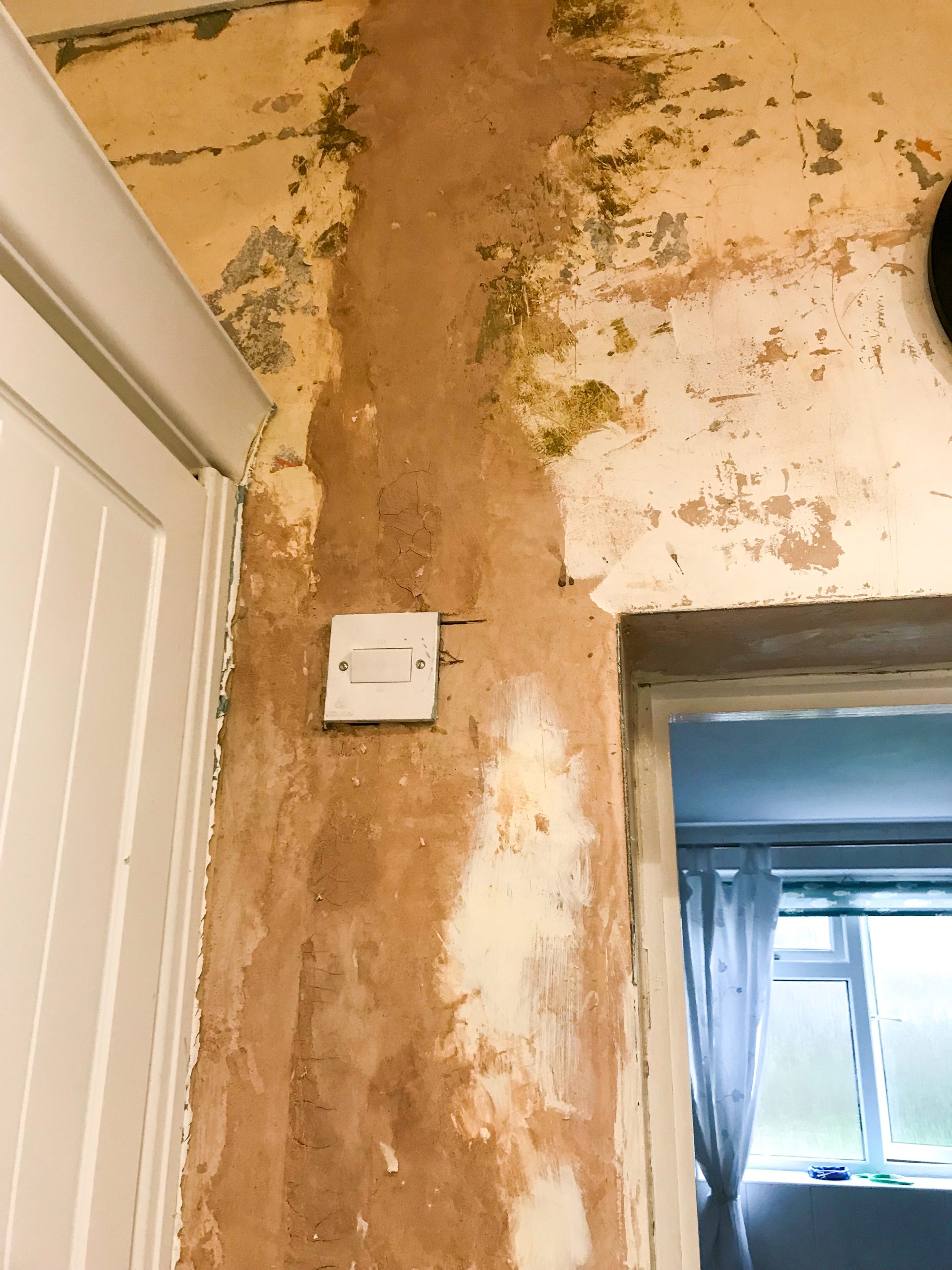
What is a housing disrepair report?
A housing disrepair report (HDR) is an independent surveyor’s assessment of defects and deterioration in a residential property. It helps explain what is wrong, the likely causes and the work needed to put matters right, within the agreed scope of the instruction.
The report gives tenants, landlords and their advisers a clearer factual basis for discussing repairs. It can help assess an existing complaint, plan remedial works or provide expert evidence where a housing conditions claim is being considered.
What kinds of problems can it cover?
Common concerns include damp and mould, water penetration, leaking roofs or gutters, damaged plaster, defective windows and doors, drainage problems and concerns about heating or hot water. The surveyor considers the evidence and distinguishes visible symptoms from possible underlying causes. Specialist testing or further investigation may be recommended where needed.
What will the report tell me?
Depending on the agreed instruction and the evidence available, a housing disrepair report can include:
- A record of the defects identified and their location.
- Photographs and an explanation of the likely causes.
- Recommended repairs, including any works needing prompt attention.
- Estimated repair costs and a schedule of works where instructed.
- Comments on relevant repairing obligations and housing standards.
- Any limitations, uncertainty or need for specialist investigation.
A Scott Schedule presents the individual disrepair items in a structured table, helping the parties compare the concerns, proposed repairs and costs. Where a report is required for legal proceedings, tell us at the outset so the expert-witness requirements can be agreed.
When might I need an HDR?
You may need a report when repair problems remain unresolved, when the cause or extent of a defect is disputed, or when you have received a letter of claim and need an independent assessment. You do not need to have started court proceedings to make an enquiry.
It helps to gather the tenancy agreement, repair history, correspondence, photographs and any previous reports. Explain which issues concern you and when they were first noticed or reported. This allows us to recommend an appropriate scope before you instruct us.
Housing disrepair reports and expert advice
As England’s rented housing stock ages and housing standards develop, clear evidence of a property’s condition is important when addressing disrepair claims.
Torus Surveyors is regulated by RICS. Our MRICS and FRICS surveyors provide expert witness reports compliant with Civil Procedure Rules Part 35 and the accompanying Practice Direction, where instructed for that purpose.
- Part 35 compliant housing disrepair reports for legal proceedings.
- Reports undertaken by MRICS and FRICS surveyors.
- Photographs and a Scott Schedule included as standard with our onsite housing disrepair reports.
- Expedited appointments available within 24 hours, subject to availability.
- Desktop reports available to help assess the viability of a claim, subject to the evidence supplied and agreed scope.
Whether you are a tenant, a solicitor acting for a client, a housing association or a private landlord who has received a letter of claim, we can help. If you require a Part 35 compliant report, call 0161 929 7892, email info@house-survey.co.uk or use the onsite enquiry form below.
Understanding housing disrepair
A housing disrepair report provides evidence about a property’s condition and the repairs needed. Understanding landlords’ repairing duties, fitness for habitation and expert evidence can help you choose the right instruction.
Section 11 Landlord and Tenant Act 1985
Section 11 of the Landlord and Tenant Act 1985 implies a duty on the landlord to carry out certain repairs in tenancies to which it applies. These include:
- Keeping the structure and exterior in repair, including drains, gutters and external pipes.
- Keeping installations for water, gas, electricity and sanitation in repair and proper working order, including basins, sinks, baths and toilets. This does not extend to every fixture, fitting or appliance using those supplies.
- Keeping installations for space heating and heating water in repair and proper working order.
These statutory obligations cannot simply be excluded by the tenancy agreement. Where a landlord is responsible for repairing a defect, the necessary works may also include making good affected decorations and consequential damage. The extent of the duty depends on the circumstances.
In Grand v Gill [2011], internal plasterwork was held to form part of the structure for the purposes of the repairing obligation. This is one reason a report needs to distinguish the underlying defect from its visible effects.
Homes (Fitness for Human Habitation) Act 2018
The Homes (Fitness for Human Habitation) Act 2018 came into force in England on 20 March 2019, with transitional arrangements for existing tenancies. It amended the Landlord and Tenant Act 1985 to require homes within its scope to be fit for human habitation at the start of the tenancy and throughout it.
A defect does not automatically mean that a property is unfit for human habitation. Its nature and seriousness must be considered. In assessing the relevant property conditions, Torus Surveyors considers matters including:
- Repair and stability.
- Freedom from damp.
- Internal arrangement, natural lighting and ventilation.
- Water supply, drainage and sanitary conveniences.
- Facilities for preparing and cooking food and disposing of wastewater.
- Relevant hazards under the Housing Health and Safety Rating System (HHSRS).
Section 4 Defective Premises Act 1972
Section 4 concerns a landlord’s duty of care in relation to relevant defects where the statutory conditions apply. It requires reasonable care to protect people who may be affected from personal injury or damage to their property. This can extend beyond the tenant to household members and visitors, and is linked to the landlord’s repairing obligations or rights and their knowledge of the defect.
Part 35 reports, single joint experts and joint inspections
We can assist solicitors who require a Part 35 compliant report, as well as housing associations and private landlords responding to a letter of claim.
The Pre-Action Protocol for Housing Conditions Claims (England) provides a framework for obtaining expert evidence. A single joint expert may be instructed by both parties, including with separate instructions where appropriate. Torus Surveyors can undertake this role.
Where the parties cannot agree to instruct a single joint expert, a joint inspection may be appropriate: each party’s expert attends the property at the same time. Torus Surveyors can liaise with tenants, representatives and other experts to arrange a suitable appointment.
Tell us the intended use of the report and provide any letter of claim, instructions or existing reports so we can confirm the appropriate inspection and reporting scope.
Further information: Section 11 repairing obligations · Fitness for human habitation guidance · Section 4 duty of care
Choose your housing disrepair assessment
With the purpose and scope of your report in mind, choose how you would like the property assessed. The two routes below explain what to provide and how to get started.
Remote desktop housing disrepair reports
Desktop housing disrepair reports cost £350 + VAT. There is no surveyor site visit with this option.
The desktop route lets you provide evidence without arranging a surveyor’s visit. The separate collector guides you through the property details, rooms and concerns, with photographs, relevant documents and the history of the problems.
- Explain each concern and where it occurs.
- Provide clear room views and close-up photographs where safe.
- Include repair records, correspondence and previous reports where relevant.
- Review your information before submitting it for surveyor review.
The surveyor cannot take measurements or moisture readings, test services or investigate concealed areas remotely. The opinion depends on the quality and completeness of the evidence supplied. Further evidence, a site visit or specialist investigation may be recommended.

Onsite housing disrepair inspection
Choose this route if you want a surveyor to attend the property. We will review your enquiry, agree the inspection scope and fee, and arrange access before a visit is booked.

North West coverage and travel fees
We carry out onsite housing disrepair inspections across the North West of England, including Manchester, Liverpool and Cheshire. For properties outside the North West, an additional travel fee of £125 + VAT per hour of travel applies. We will confirm any travel charge with your quotation before the inspection is booked.
Onsite inspection fees depend on the property and the agreed scope. Complete the enquiry form below for a quotation. The remote desktop option is assessed from the evidence you supply and does not involve surveyor travel.
Whole property or a specific list?
A whole-property inspection considers disrepair across the accessible areas within the agreed scope. This is useful when you want a broader picture rather than an assessment limited to named concerns.
A specific-issues inspection focuses on the disrepair you identify. You can upload a letter of claim, an existing schedule or list, or create your own room-by-room list in the form. Include every concern you want considered so we can agree a suitable scope.
A letter of claim is a formal document setting out the alleged disrepair and the claim being made. You do not need one to contact us. If you have no document, select the option to create your own list and describe the issues by room or outside area. We will confirm the report’s intended use and any expert-witness requirements before accepting instructions.
Depending on the agreed instruction, a housing disrepair report can record the condition, discuss likely causes, recommend remedial works and provide repair-cost advice. Where required, we can discuss a Scott Schedule — a structured table of the disrepair items — and the requirements for an expert witness report.
Onsite inspections also have limitations: concealed or inaccessible defects may require further investigation, and testing or opening up is only included if specifically agreed.
Request an onsite inspection quotation
Complete the form below for an onsite visit. Required fields are marked with an asterisk. This is an enquiry; the inspection is booked only after the scope, fee and arrangements have been agreed.
We use the details and documents you provide to respond to your enquiry and arrange the requested service. Please include only relevant information.
What should I put in my own disrepair list?
Give each room or area a clear name, such as “front bedroom” or “rear exterior”. Describe the concern, its location, when you first noticed it and any repairs already attempted. For several issues in one room, list each separately in the description. Add another room or area using the button in the form.
Can I send documents even if I want a whole-property inspection?
Yes. Previous reports, repair correspondence and photographs can provide useful context. If a letter of claim exists, attach it so we can consider it when agreeing the scope.
Is this the same as a homebuyer survey?
A housing disrepair report focuses on disrepair within an agreed instruction. If you are buying a property and want advice on its overall condition before purchase, see our RICS home survey services.
View a sample housing disrepair report (PDF) · Expert witness reports